In this article, we take a close look at the challenges of receivables management for creditors and debtors. We also explore how open banking can help solve these problems and present a best-practice example: the “Sustainable Collection” programme by Social City Wien in cooperation with KSV1870.
The Challenges of Receivables Management: A Painful Process
Receivables management is not only operationally demanding and costly, it can also be emotionally very stressful. For both creditors and debtors, it is often a painful process. On one side are creditors who are waiting for outstanding payments while having to meet their own financial obligations. This financial strain can lead to increased stress and worry, while the lengthy process of collecting debts tests their patience.
On the other side are debtors who are in financial difficulty and under pressure from their debts. Gathering all the required documents, drawing up a detailed household budget and negotiating payment plans are often tedious and frustrating tasks. This process can be a financial and emotional burden, as debtors often feel trapped in a hopeless situation.
Open Banking in Receivables Management: Efficient, Beneficial, Sustainable
Open banking offers an opportunity to modernise receivables management in many ways. It improves workflows, brings numerous benefits and enables sustainable solutions for creditors and debtors alike.
More Efficiency with Open Banking
Open banking makes it much easier to access essential financial data. This means creditors can access information faster and more accurately to understand a debtor’s financial situation. This smooth exchange of data shortens the time spent waiting for payments and significantly speeds up the entire collection process, as well as the search for possible solutions with debtors.
The Benefits of Open Banking in Receivables Management
- Transparent financial data: Open banking provides a comprehensive overview of a debtor’s financial situation, making realistic and fair payment agreements possible.
- Fewer defaults: With better information, creditors can assess risks more accurately and pursue their claims in a more targeted way, which reduces defaults.
- Time and resource savings: Open banking reduces the need for manual data entry and allows creditors to use their resources more efficiently.
The Solution: Sustainable Collection with Open Banking
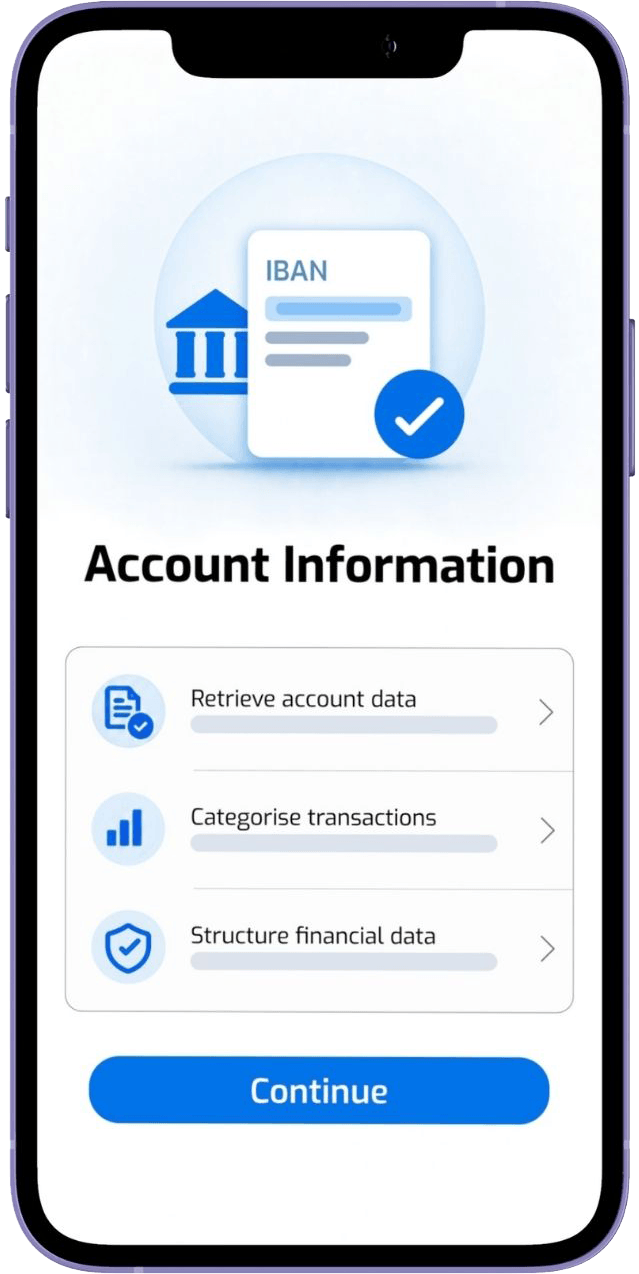
An outstanding example of open banking in receivables management is Sustainable Collection by Social City Wien in cooperation with KSV1870. Here, a PSD2 account check makes the debtor’s financial room transparent. Based on this, fair payment agreements are made that are acceptable to everyone involved. This solution ensures that debtors are not put under further pressure, while creditors can still recover their outstanding claims.
The PSD2 account check is provided by FINcredible, the first account information service provider in Austria licensed by the Financial Market Authority (FMA) under PSD2.
The Impact of Open Banking in Receivables Management
The use of open banking in receivables management has a significant impact:
- Sustainable debt relief: Debtors can pay off their debts in a sustainable way, without falling into an even more difficult financial situation.
- Less financial strain: Sustainable Collection helps reduce financial burdens and minimise conflicts between creditors and debtors.
- Social responsibility and efficiency: The PSD2 account check makes it possible to combine social responsibility with financial efficiency and create a better financial future for everyone involved.
Conclusion
Open banking has the potential to change receivables management and create fair solutions for everyone involved. Sustainable Collection by Social City Wien is an outstanding example of how this technology combines social responsibility with financial efficiency. At a time when economic challenges weigh on many people, this programme shows that there are ways to pay off debts fairly and sustainably. It encourages us to use technology as a tool for social change and to strive for a better financial future for all.
Would you like to learn more about open banking? Then read our article “What Is Open Banking and Why Is It Important?”.
Do you have questions about PSD? Then read our articles “PSD – Payment Services Directive” and “PSD3: New Rules for a Better Customer Experience”.
If you have any questions or would like to schedule a personal appointment with us, please don’t hesitate to contact us via our contact form.
To stay up to date, follow us on LinkedIn and YouTube or subscribe to our newsletter!