Payroll fraud is a widespread and costly problem. According to the Association of Certified Fraud Examiners (ACFE), payroll schemes account for around one in ten cases of occupational fraud and typically go undetected for 18 months. The resulting damage can be far-reaching and includes significant financial losses. On top of that, investigating and combating this type of fraud takes considerable resources. Modern technologies such as KYC and open banking can help minimise the risk.
What Is Payroll Fraud?
Payroll fraud refers to fraudulent activities in connection with payroll, in which individuals or organisations try to manipulate salary payments or payroll processes to gain unlawful financial advantages. Payroll fraud can be committed in many ways, and the tactics vary depending on the circumstances and the fraudsters’ creativity.
Common types of payroll fraud include:
- Ghost employees: Fraudsters create fictitious employees in the payroll system and redirect their salary payments to their own accounts or to accounts they control.
- Timesheet manipulation: Employees falsify their working hours, for example by claiming overtime they didn’t work or recording time they didn’t spend working.
- Salary manipulation: Employees or HR staff increase their own or colleagues’ salaries by changing payroll data.
- Duplicate payments: Fraudsters try to trigger duplicate salary payments for themselves or other employees.
- Phishing and identity theft: Attackers steal sensitive information to gain access to payroll systems and redirect salary payments to their own accounts.
- Manipulation of tax deductions: Fraudsters manipulate tax deductions to pay less tax and receive more money.
- Changes to bank details: Attackers change employees’ bank details in order to redirect salary payments to their own accounts.
Ways to detect and prevent payroll fraud include strict internal controls, verification procedures and regular audits of payroll data. Training and raising employee awareness are also important preventive measures.
KYC (Know Your Customer) for Fraud Prevention
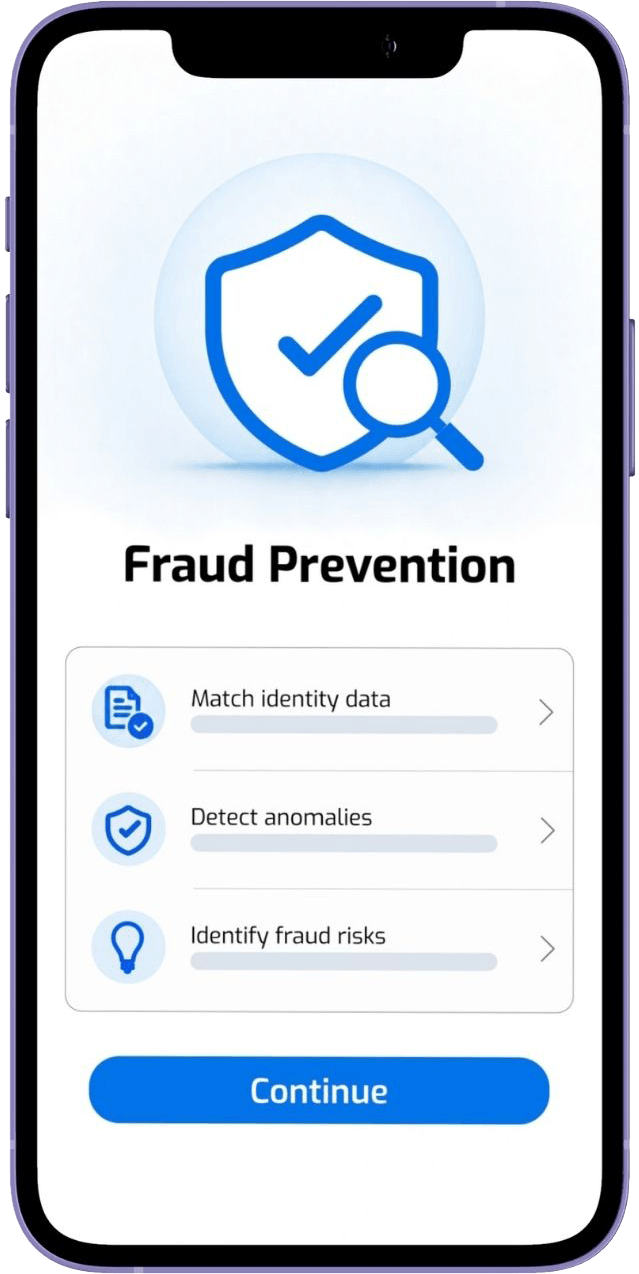
Many fraud attempts can be prevented with KYC processes. KYC stands for “Know Your Customer” and refers to the business practice in which companies and financial institutions carry out strict procedures and checks to verify identity. The aim of KYC is to prevent money laundering, fraud, terrorist financing and other illegal activities by ensuring that customers and business partners are legitimate. KYC processes often include collecting identity documents, verifying addresses, monitoring transactions and screening against sanctions lists. This helps companies meet legal requirements and minimise the risk of compliance breaches. KYC has its roots in historical and regulatory developments, such as anti-money laundering laws, the USA PATRIOT Act, international FATF standards, technological progress and the globalisation of financial markets.
In the financial industry, KYC has become standard practice. Banks, financial institutions and other companies that carry out financial transactions are legally required to implement KYC procedures in order to identify their customers and minimise the risk of illegal activities. Digital transformation has made KYC processes increasingly automated and data-driven, making them faster and more accurate. This enables faster identity verification and better transaction monitoring.
While KYC is mandatory in the financial industry, its potential can also be used in other areas and across industries to minimise the risk of payroll fraud. KYC data is generally treated as strictly confidential, to protect people’s privacy and prevent misuse of the information.
How Can KYC Be Used in Payroll?
KYC helps prevent payroll fraud by ensuring that only legitimate employees receive salary payments and that fraud attempts are detected early. The following elements can be part of an internal KYC process for payroll:
- Identity verification: Companies verify their employees’ identity, for example using ID cards, passports or driving licences. This ensures that the people on the payroll actually exist and are who they claim to be.
- Address verification: KYC can also include verifying employees’ registered addresses, to ensure that salary payments go to the right recipients.
- Bank account verification: Employees’ bank details are verified and validated to ensure that salary payments go to the correct accounts and not to fraudulent ones.
- Regular updates: KYC is not a one-off process. Companies should update employee data regularly so that changes such as a new address or a new bank account are recorded correctly.
- Screening against sanctions lists: Where legally required, KYC procedures can check employees against relevant sanctions lists.
- Audits and reconciliation: Regularly reconciling payroll data with the information collected through KYC can reveal inconsistencies or anomalies that may indicate payroll fraud.
- Integration into payroll software: Many companies integrate KYC procedures into their payroll software to automate verification and payments. This reduces the risk of human error and increases efficiency.
KYC adds an extra layer of security to payroll. Only properly verified employees receive salary payments, while fraud such as creating ghost employees or manipulating payroll data becomes much harder. By regularly updating and verifying employee data, companies can detect potential fraud early and take action to minimise financial losses.
Open Banking and KYC
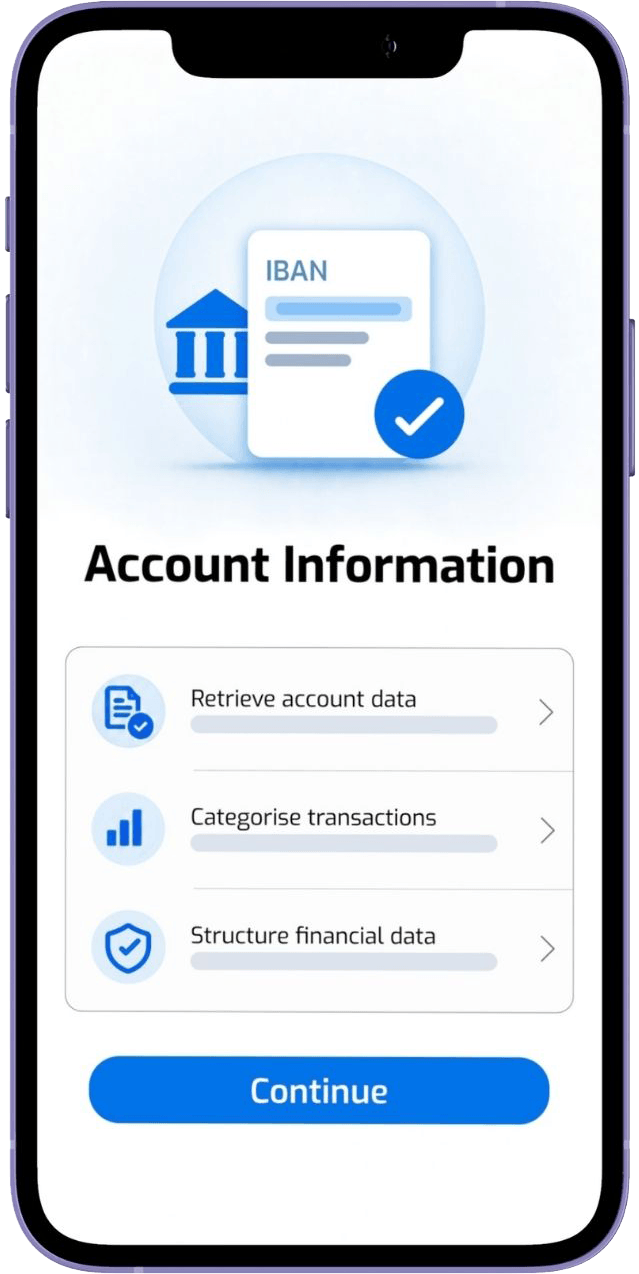
KYC usually relies on several different technologies to digitally verify identity, address and salary account. With open banking, the KYC process can now be made much more efficient, and all the necessary information can be obtained in one step.
FINcredible, the first account information service provider in Austria licensed by the Financial Market Authority (FMA) under PSD2, has developed an open banking-based KYC process. It allows any company to verify an employee’s identity, address and salary account IBAN within minutes. Employees verify their details themselves by approving the check in their banking app. The solution is available via WebApp with no implementation effort, which makes it ideal for small and medium-sized businesses, where payroll fraud is proportionally most common. It is also available via API for full integration into existing payroll software, and via SAP.
FINcredible’s KYC solution fully automates data verification and makes it easy to update employee data at regular intervals. This means even large companies with several thousand employees can manage payroll data with minimal staff effort.
As new employees are always clearly identified and up-to-date salary account information is available, payroll fraud can be significantly reduced.
Would you like to learn more about open banking? Then read our article “What Is Open Banking and Why Is It Important?”.
Do you have questions about PSD? Then read our articles “PSD – Payment Services Directive” and “PSD3: New Rules for a Better Customer Experience”.
If you have any questions or would like to schedule a personal appointment with us, please don’t hesitate to contact us via our contact form.
To stay up to date, follow us on LinkedIn and YouTube or subscribe to our newsletter!